BROWNSVILLE, Texas (Monday, March 9, 2026) — Celebrating 90 years of progress in 2026, the Port of Brownsville has transformed a bold vision into an economic powerhouse, securing billions in private investment and anchoring one of the fastest-growing manufacturing and logistics hubs in Texas.
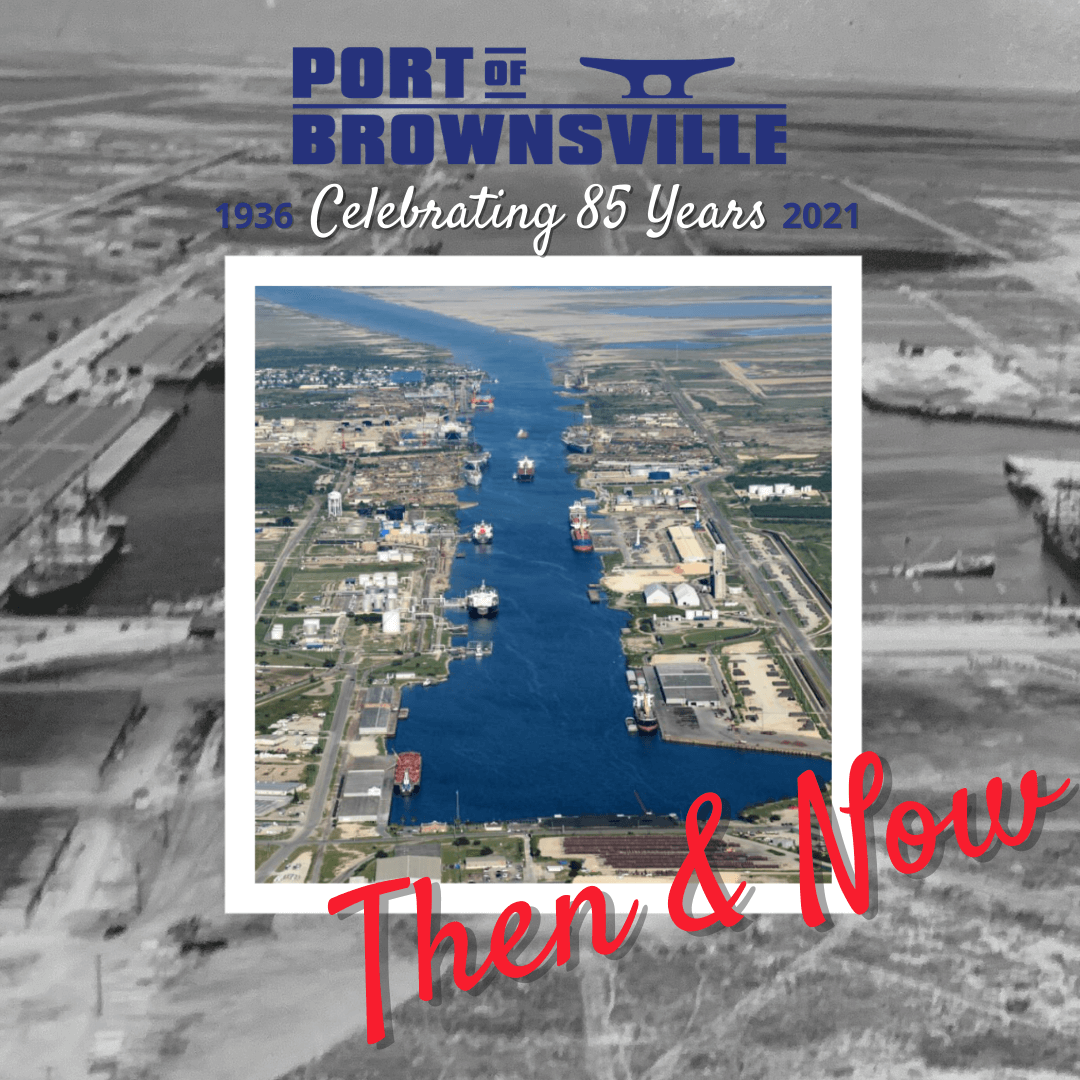
Established by voters in 1928 and officially opened in 1936, the port reshaped the southernmost tip of Texas from an agriculture-based economy into a global trade gateway. The construction of the Brownsville Ship Channel during the Great Depression connected the Rio Grande Valley to the Gulf of Mexico and laid the groundwork for decades of industrial expansion.
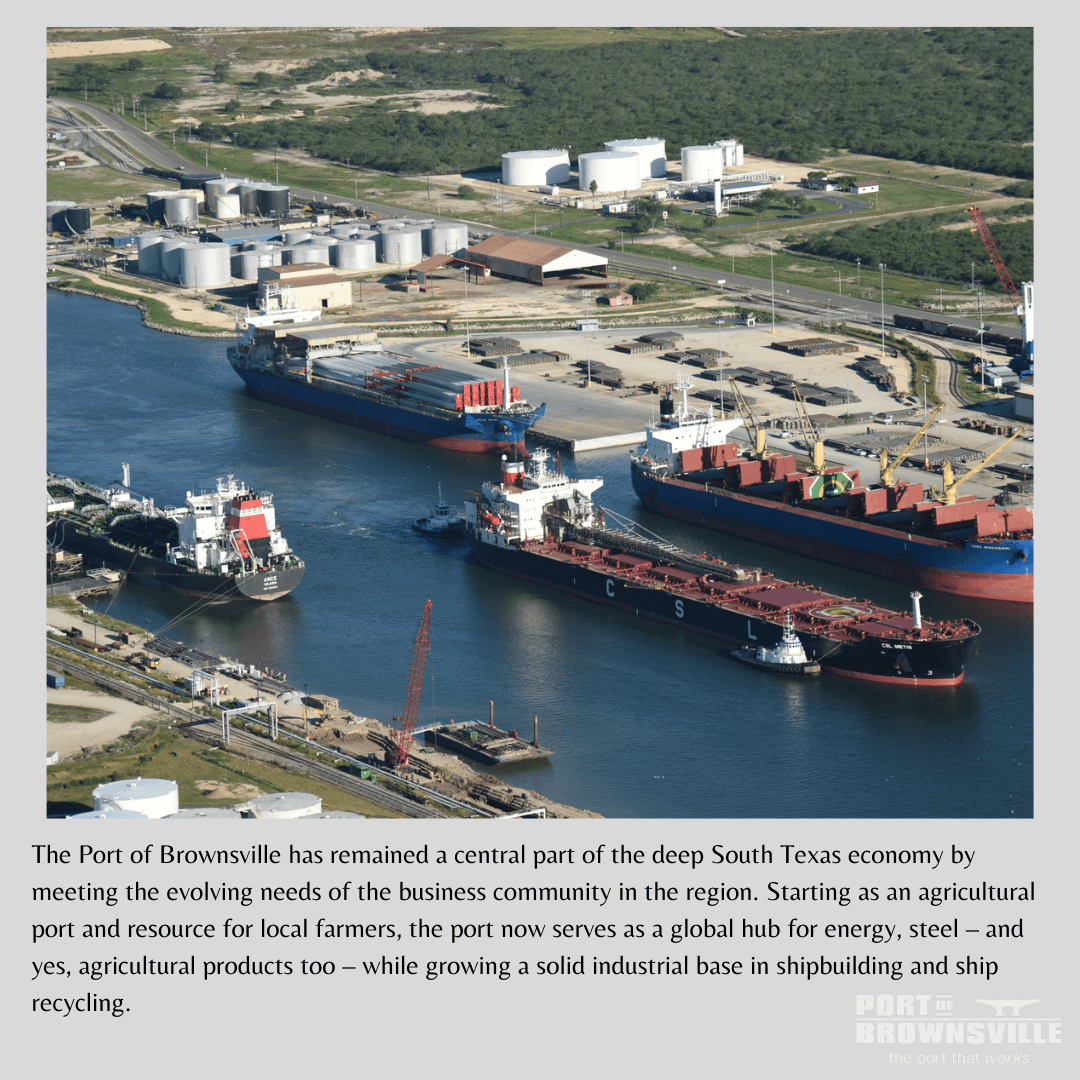
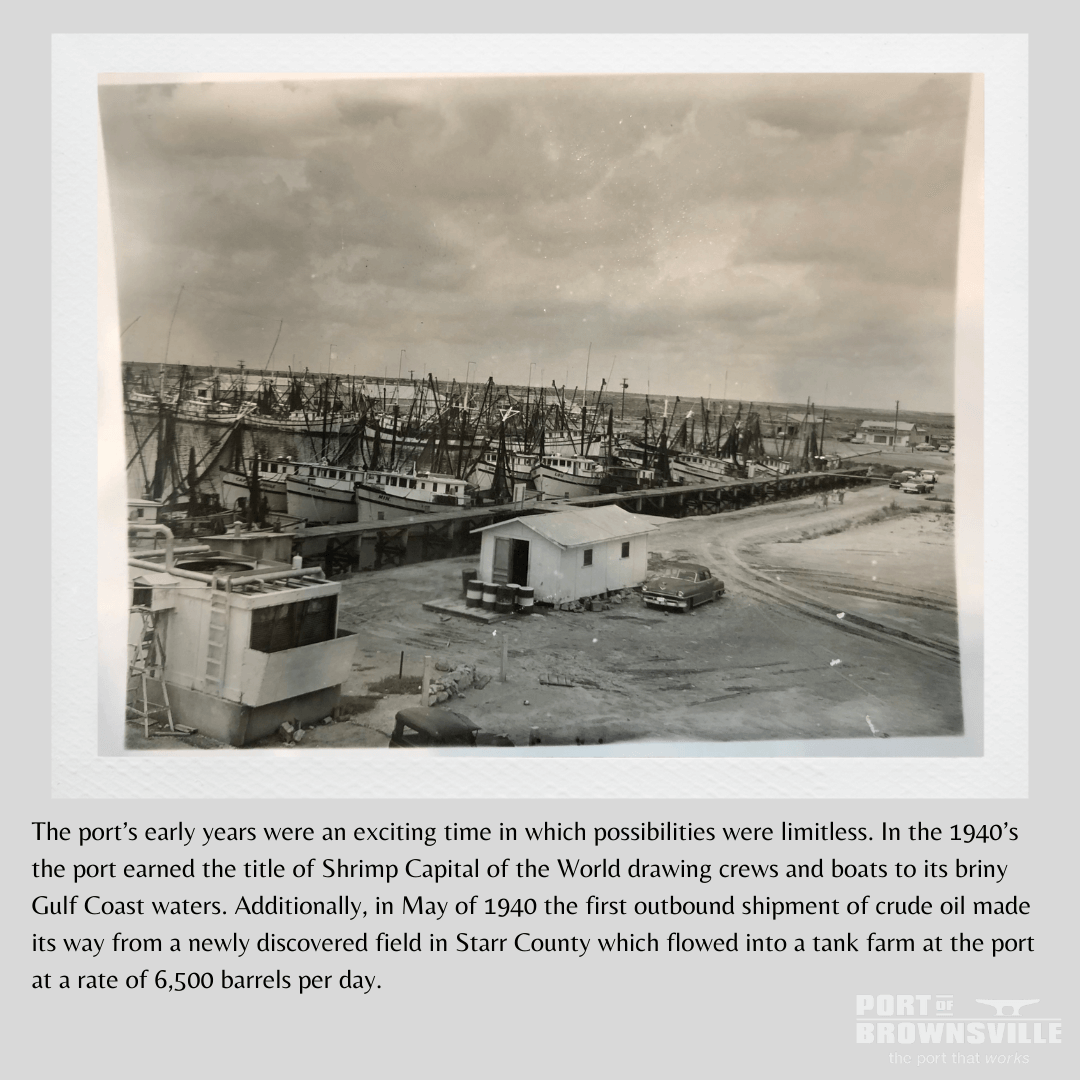
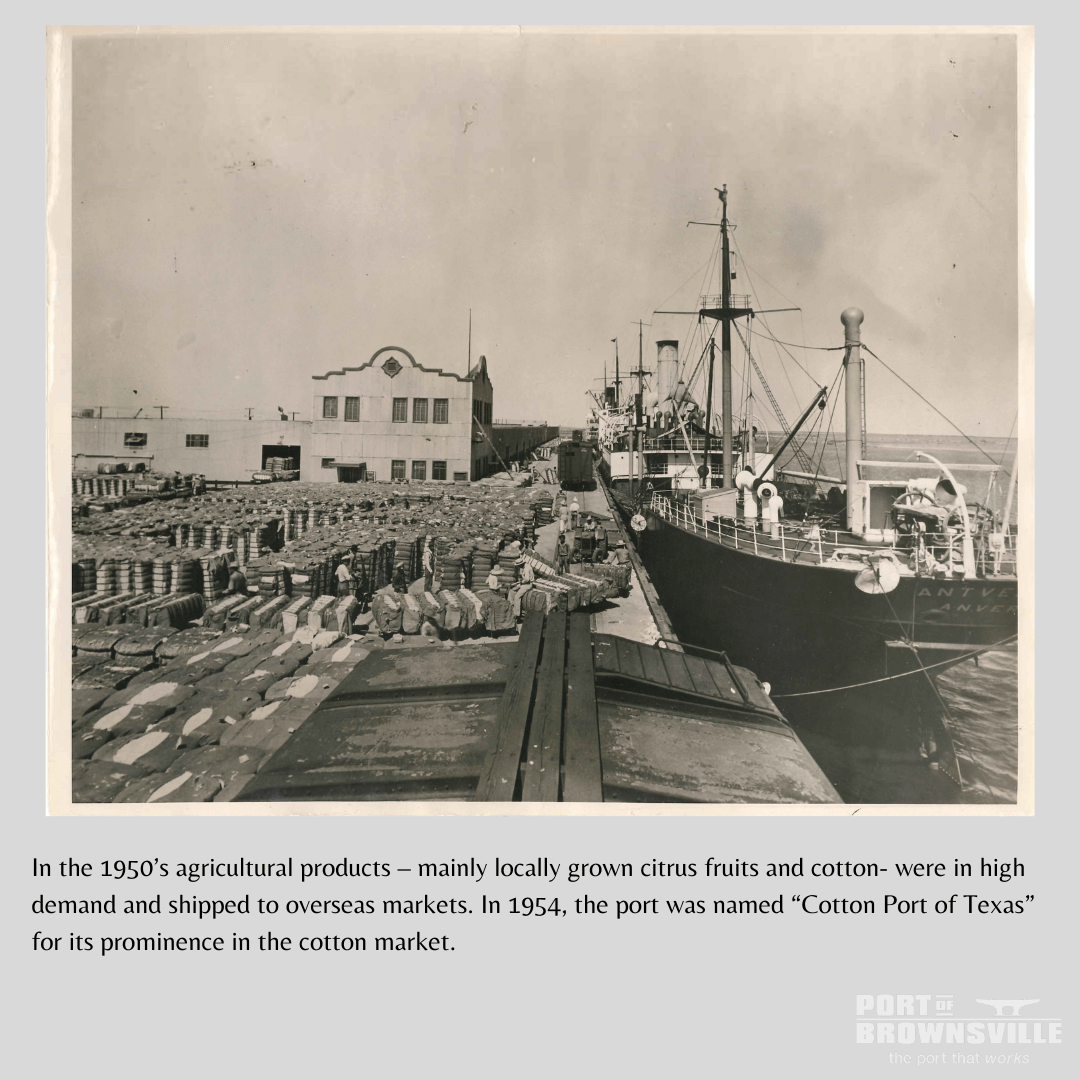
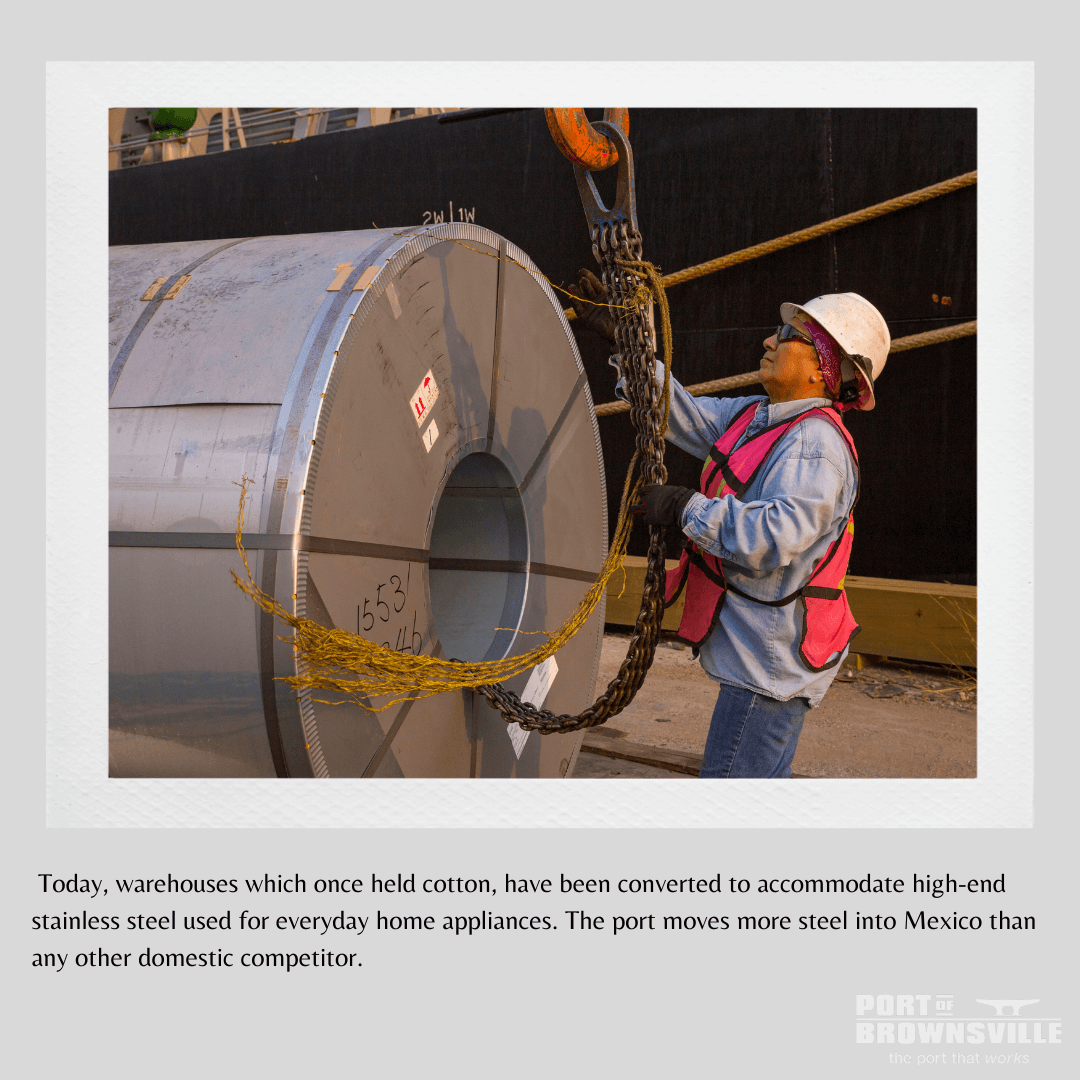
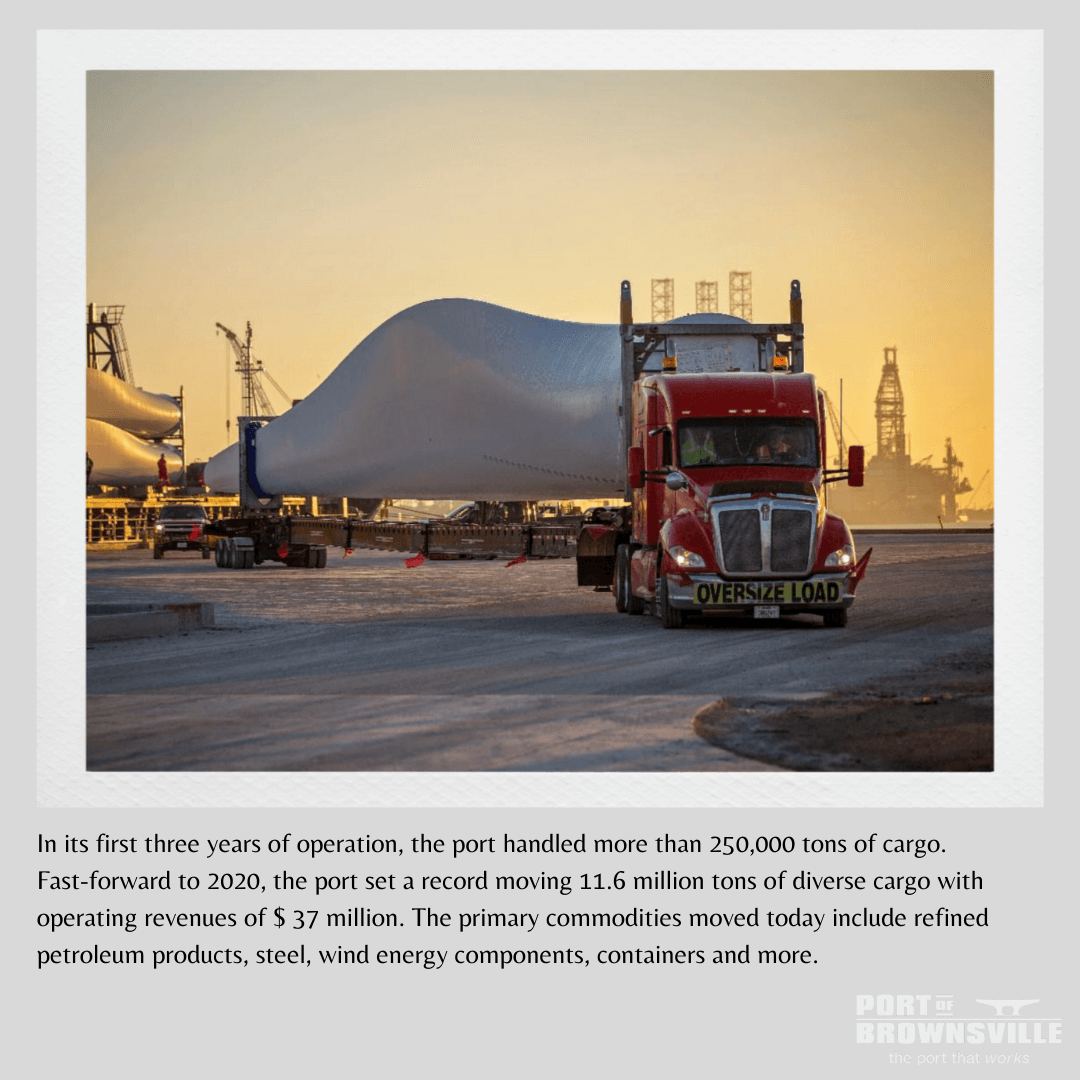
From its earliest days, the port evolved from handling agricultural products and earning the title “Number One Cotton Port in the Nation” to managing grains and shrimp, and ultimately becoming a diversified logistics hub supporting steel, energy, construction and the space industries as well as positioning itself as the premier hub for shipbuilding and ship recycling in the U.S.
As the only deepwater seaport located directly on the U.S–Mexico border, the port plays a critical role in international commerce, accounting for 5.3 percent of Texas’ total trade value moving through all 23 seaports of the Lone Star State, according to the Texas Comptroller’s office. Its geographic position provides direct access to global maritime routes while serving as a key gateway for cross-border trade between the United States and Mexico.
In 2024, the Port of Brownsville recorded $12.1 billion in exports, $10.6 billion in imports, and handled more than 28 million tons of cargo. These figures reflect sustained growth in high-value commodities and demonstrate the port’s expanding influence on energy, manufacturing and industrial supply chains.
Beyond trade statistics, the Port of Brownsville drives broad-based economic impact across the Rio Grande Valley. Based on the Comptroller’s estimate, trade through the Port of Brownsville supports more than 100,000 jobs across the state, with more than 14,000 in the Rio Grande Valley. This includes direct employment at maritime terminals and tenant facilities, as well as indirect positions in manufacturing, logistics, energy, construction and professional services. Each vessel call, infrastructure project and private investment strengthens local businesses and expands workforce opportunities.
Central to the port’s success is its close collaboration with regional partners. The port works alongside the City of Brownsville and Cameron County to align infrastructure planning, economic development strategies and workforce initiatives that support long-term growth. These partnerships ensure that investments at the port translate into community-wide benefits, including improved roads, utilities and public services that support both residents and industry.
The port also partners with local educational institutions to build a skilled workforce pipeline tailored to the needs of maritime, manufacturing and logistics employers. Through coordination with area colleges, universities and technical training programs, the port helps connect students and residents to high-demand careers in engineering, skilled trades, industrial operations and port logistics. These collaborations strengthen the region’s talent base and position South Texas as a competitive destination for advanced manufacturing and energy projects.
Private investment is reshaping the port at an unprecedented scale. NextDecade’s $32 billion Rio Grande LNG export terminal is generating thousands of jobs and reinforcing the port’s role in the global energy industry. Additionally, port leadership is spearheading a new era of economic prosperity for the Rio Grande Valley with over $30 billion of capital projects in the works. Companies across the energy, steel, shipbuilding and logistics sectors continue to expand operations, creating long-term employment and strengthening the local tax base.
To sustain this momentum, the port initiated $226.9 million in capital improvement projects in 2024. Leading these investments is the Brazos Island Harbor Channel Improvement Project, which will deepen the Brownsville Ship Channel to 52 feet. Once completed, the channel will rank among the deepest in the Gulf of Mexico, enabling the port to accommodate larger vessels, increase cargo capacity and enhance global competitiveness.
As the Port of Brownsville marks its 90th anniversary, it stands as a testament to resilience, innovation and forward-thinking leadership. From its origins as a Depression-era infrastructure project to its current status as a premier maritime and industrial hub, the port continues to shape the economic future of South Texas.
With channel deepening nearing completion, modernized docks and billions in new private investment underway, the Port of Brownsville remains committed to expanding trade, creating high-quality jobs and strengthening the regional economy for generations to come.